
Eavestroughs 101: Protecting Your Foundation From Roof Runoff
Learn how gutters manage roof runoff, prevent foundation damage, and when to repair or replace.
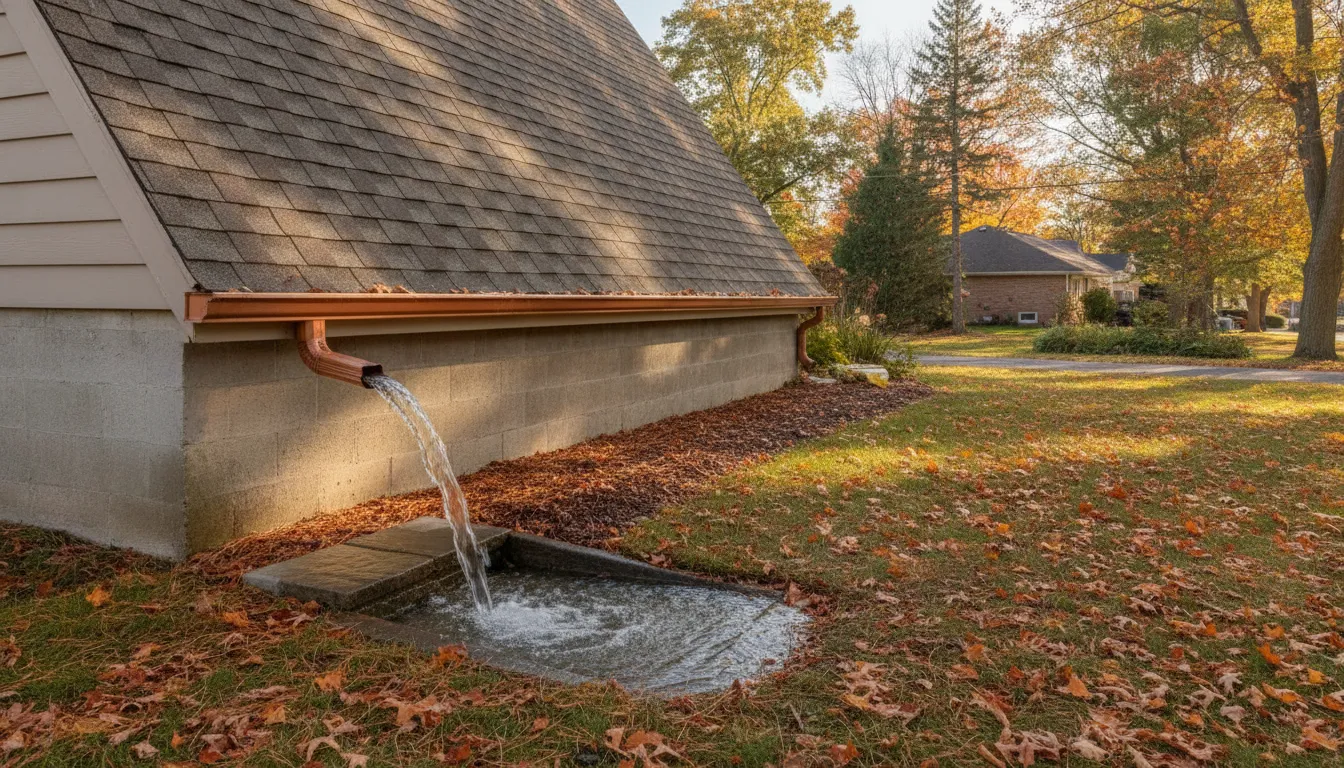
What do eavestroughs do and why does it matter for my home?
Eavestroughs collect roof runoff and direct it away from your home's fascia, siding and foundation to reduce erosion, basement leaks and freeze-thaw damage; correct sizing, installation angle and downspout placement determine how well they protect your house.
Basic function
An eavestrough (gutter) is a shallow channel attached under the roof edge that catches rain and melting snow. Downspouts move that water safely away from the foundation or into a subdrain or storm system, preventing uncontrolled runoff at the house perimeter.
Common materials and lifespan
Residential systems in Mississauga and Peel Region are commonly aluminum, galvanized steel, vinyl (PVC) and copper. Aluminum is lightweight and resists rust, steel is stronger but can corrode, vinyl is inexpensive but brittle in cold, and copper is durable and decorative; expect 15–30 years depending on material and maintenance.
Sizing and slope matter
Eavestroughs are sized by width (commonly 5" or 6" for homes) and downspout area; heavy roof area, steep roof pitch and large storms require larger channels or more downspouts. Proper pitch (roughly 1/16" to 1/8" fall per foot toward the downspout) ensures water flows instead of pooling and overflowing.
Step-by-Step: Eavestroughs 101: Protecting Your Foundation From Roof Runoff
Follow these practical steps to inspect, maintain, and—if needed—replace eavestroughs so runoff won’t damage your foundation.
- 1
1. Inspect gutters seasonally
Check gutters in spring and fall and after major storms. Look for standing water, sagging sections, loose hangers, rust spots and blockages at outlets; document issues with photos for maintenance records or insurance conversations.
- 2
2. Clean and clear debris
Remove leaves, seed pods and mud by hand or with a scoop; flush downspouts with a hose to confirm flow. For multi-storey homes or heavily treed lots common around Mississauga neighborhoods, consider a professional clean every spring and late fall.
- 3
3. Repair small problems promptly
Tighten loose hangers, reseal end caps and patch small splits with compatible sealant. Addressing small leaks and minor sagging prevents water overshoot that can erode soil near the foundation and create basement seepage.
- 4
4. Evaluate slope, capacity and downspouts
Measure gutter slope and count downspouts relative to roof area; oversized roof surfaces or steep pitches often need extra downspouts or larger gutters. Direct discharge at least 1.5–2.5 meters from the foundation or tie into approved storm drains—confirm local rules before connecting to municipal systems.
- 5
5. Decide on repair vs. replacement
If sectional gutters have frequent joint leaks, extensive rust, or multiple sagging runs, replacement may be more cost-effective than repeated repairs. For older homes in Mississauga and nearby Oakville or Brampton with original systems, replacement with modern materials and improved downspout layout is often the best long-term investment.
- 6
6. Schedule professional work when needed
Hire a licensed contractor for large repairs, system replacement, or when working from ladders feels unsafe. Ask for local references, proof of insurance, and a written scope—confirm permit needs with your Mississauga building department if the work involves structural changes or stormwater connections.
Mistakes to Avoid
Avoiding a few common mistakes prevents expensive foundation repairs. These missteps are easy to make but costly over time; correct them with the right materials and routine.
Ignoring clogging until damage occurs
Leaves and grit eventually block flow and create standing water that corrodes gutters and promotes overflow at roof edges. Regular seasonal cleaning, leaf-guard options sized for your roof, or installing gutter guards with straightforward maintenance access can stop this progression.
Installing too few or undersized downspouts
A long continuous gutter run with only one downspout concentrates flow and causes overflow during heavy storms. Ensure downspout placement matches roof drainage area—common residential practice is one downspout per 30–40 linear metres of roof edge for 5" gutters, but roof pitch and local rainfall patterns may demand more.
Directing water too close to the foundation
Simply dumping runoff at grade near the house moves the problem, not the water—freeze-thaw cycles in Ontario can push moisture into footings. Extend downspout discharge by piping it underground, adding splash blocks, or grading the soil to slope away from the foundation at 2% minimum. Confirm storm sewer connection rules with the City of Mississauga before tying in.
Using the wrong material for the climate
Cheap vinyl gutters can become brittle in Mississauga's winter and crack, while unprotected steel will rust in salt-laden coastal air or where road salt sprays during winter. Choose materials rated for freeze-thaw cycles; aluminum or copper are often better long-term choices in Southern Ontario conditions.
What Affects Your Outcome
These factors shape how well your eavestroughs protect your home and what work will be required.
Roof area and pitch
Large or steep roofs send more concentrated runoff into gutters; steeper pitch accelerates flow and may demand larger capacity or reinforced hangers.
Local climate and storms
Mississauga's climate brings snow, ice and heavy spring rains, all of which stress gutter systems and increase maintenance needs compared with milder regions.
Tree cover and landscaping
Mature trees in Mississauga, Brampton or nearby Oakville add leaves, twigs and seeds that clog gutters faster—lots with heavy canopy need more frequent cleaning or effective leaf guards.
Material condition and age
Older materials corrode, crack or lose fasteners; age influences whether repairs will suffice or full replacement is more economical.
Quality of installation
Poor angle, insufficient hangers, incorrect downspout placement, or mismatched materials lead to repeated failures; competent installation reduces long-term costs.
Local rules, permits and utility locations
Connecting to municipal storm drains, altering lot grading, or excavating for underground drains may require permits—check with the City of Mississauga and Region of Peel before work begins.
Frequently Asked Questions
How often should I clean my eavestroughs in Mississauga?
At minimum, clean gutters every spring and late fall, and after major storms. Homes with many trees or frequent storms may need quarterly attention; otherwise expect blockages that cause overflow and foundation risk.
Can I install gutter guards and forget maintenance?
Gutter guards reduce debris but do not eliminate maintenance. Fine sediments, moss and shingle grit can still accumulate, so inspect and clear guards annually, and choose a guard design suited to local leaves and snow load.
When should I replace rather than repair gutters?
Replace when there are widespread rust spots, multiple joint failures, persistent sagging, or if the system cannot handle current roof runoff even after repairs. If the system is original and over 20 years old, replacement often saves money long-term.
Are downspout drains allowed to tie into Mississauga storm sewers?
Rules vary: some municipalities permit connection while others restrict it to control storm system load. Verify with the City of Mississauga and Region of Peel before tying in, and keep documentation of any approvals.
Will new eavestroughs stop basement water problems?
Properly sized and directed gutters reduce exterior water entry, which is a common source of basement dampness. If water is coming through walls or floor slabs, you should combine gutter improvement with grading corrections, exterior waterproofing, or interior remedies after investigating the root cause.
How do I find a reliable contractor in Mississauga?
Ask for local references, proof of WSIB coverage and liability insurance, and a written estimate with materials specified. Verify that they are experienced with Ontario winter conditions and confirm any required permits with the Mississauga building department.
Free eavestrough inspection for Mississauga homes
Schedule a walk‑around to check slope, downspout placement and discharge options—no pushy sales, just practical recommendations.
Get a Free Quote