
Choosing Shingles That Survive Canadian Winters
Practical guidance on materials, installation, and maintenance for cold Ontario climates.
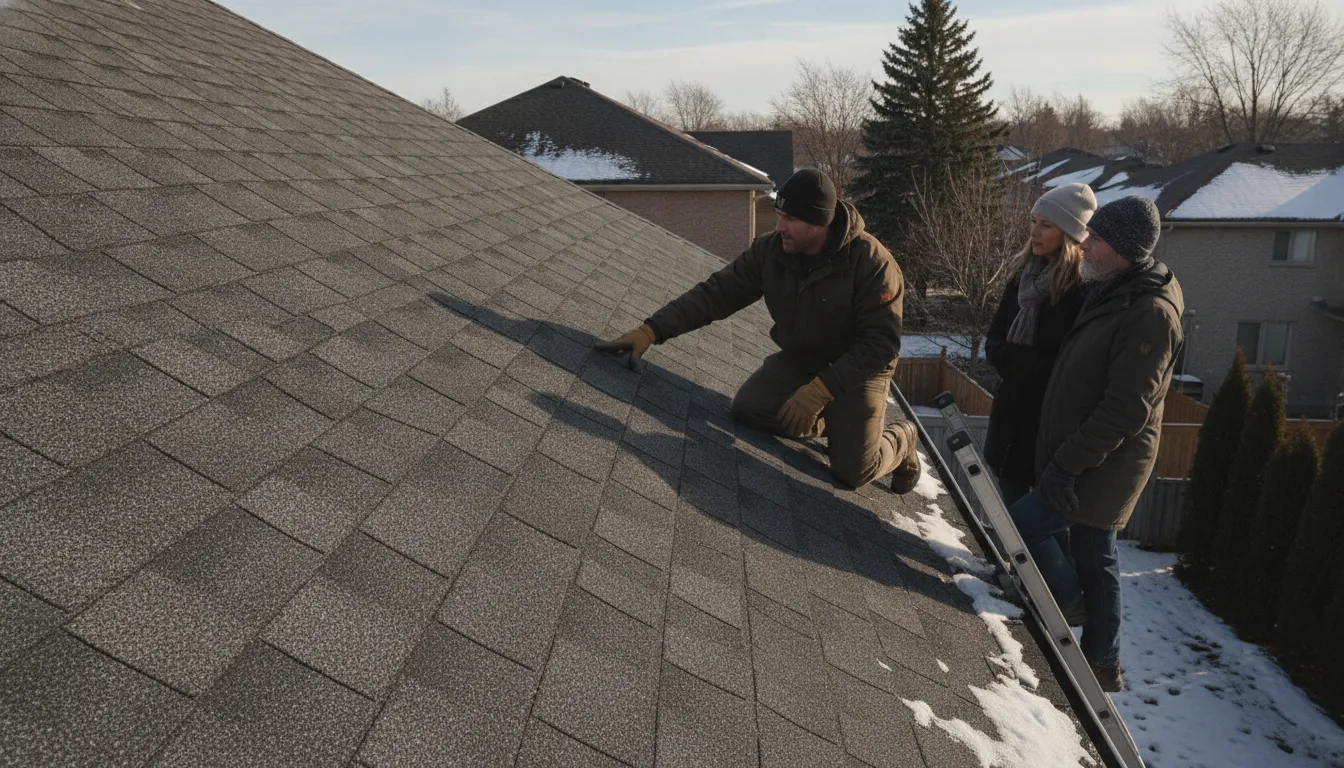
What shingles best survive Canadian winters?
Choose shingles rated for low temperatures, high wind, and repeated freeze–thaw cycles, with robust underlayment and proper ventilation; combined, these features reduce cracking, ice-dam damage, and premature granule loss in Ontario's winter climate.
Cold‑temperature performance
Shingle granules, asphalt formulation, and the backing mat determine flexibility at low temperatures. Look for products marketed with cold-weather flexibility or polymer-modified asphalt; they bend less and are less likely to crack when snow and ice load change quickly. Manufacturer technical data sheets will list pliability and service-temperature guidance.
Wind and uplift resistance
High winds during winter storms and spring thaws can lift shingles if nailing or adhesives are inadequate. Choose shingles with higher wind‑rating classifications and follow the specified nailing pattern and starter strip installation. In the GTA area, consider shingles with enhanced sealing strips or asphalt adhesives that activate reliably in cooler installation windows.
Ice‑dam and water‑barrier strategy
Ice dams form when heat from the attic melts snow that refreezes at the eaves, forcing water under shingles. The right underlayment (self‑adhesive ice-and-water shield at eaves and valleys), continuous ventilation, and attic insulation work together to prevent ice-dam formation and the associated shingle edge lifting or leak paths.
Lifespan vs. warranty realities
Longer manufacturer warranties often reflect thicker mats and heavier asphalt, but warranty terms vary and have exclusions. In Ontario, seasonal stresses like freeze–thaw cycles and moss growth can shorten service life; choose materials and details that match your roof pitch, exposure, and maintenance plan rather than relying on the advertised years alone.
Step-by-Step: Choosing Shingles That Survive Canadian Winters
Follow these practical steps to select materials and prepare for a durable winter‑resistant roof. Each step combines product choice, installation detail, and local verification.
- 1
Assess your roof and exposure
Inspect pitch, orientation, overhangs, and neighboring tree cover—sites facing prevailing winds or with heavy shade collect ice and moss faster. Document existing damage (photos, date) so you can match material needs to real problems, and note whether the roof has ventilation or insulation issues that must be fixed alongside shingles.
- 2
Choose the right shingle type and grade
Compare architectural (laminate), premium polymer‑modified, and designer shingles for flexibility, weight, and wind rating. Prioritize a product with a proven wind rating, enhanced adhesive strip, and cold-temperature formulation suitable for the GTA's freeze–thaw conditions.
- 3
Specify underlayment and ice‑and‑water protections
Require a self‑adhesive ice‑and‑water shield at least 3 feet past the interior wall line or as local code/roof pitch recommends, plus a high‑temperature synthetic underlayment over the field. These layers stop water tracking under shingles during ice‑dam events and reduce the chance of edge blow‑up in strong winds.
- 4
Confirm ventilation and attic insulation
Inadequate ventilation and insulation cause uneven roof deck temperatures and ice dams even with premium shingles. Ensure intake (soffit) and exhaust (ridge) vents are balanced, and top up attic insulation to current recommended levels to minimize heat loss to the roof deck.
- 5
Select an installer and review the contract
Hire a local roofer experienced in Mississauga, Peel Region, or neighbouring Brampton/Toronto areas; check references and physical job photos. The contract should specify shingle brand/model, exact underlayment, ice‑and‑water details, fastening patterns, and clean‑up procedures—avoid vague descriptions like “best materials” without specifics.
- 6
Schedule work and document completion
Plan replacement outside the coldest weeks when adhesives are less effective—early fall or late spring are often better if immediate repair is not urgent. When finished, inspect the site with the contractor, photograph installed products and waste tags, and keep receipts and manufacturer shingle wrappers for warranty claims.
Mistakes to Avoid
Small decisions during product selection and installation cause big problems later. Avoid these common errors that undermine winter performance and force early repairs.
Skipping a proper ice‑and‑water shield
Installing only felt or a thin underlayment at the eaves leaves the roof vulnerable to ice-dam backflow. Even with good shingles, water driven by ice dams can get under the tabs; specifying self‑adhesive membrane across the eaves and valleys prevents that path and is standard practice in colder Ontario neighborhoods.
Using standard asphalt in low temperatures
Cheaper 3‑tab shingles and traditional asphalt blends can become brittle and lose granules faster in freeze cycles. For Mississauga winters, choose heavier architectural shingles or polymer‑modified options specified for cold climates to reduce cracking and blow‑off risk.
Ignoring ventilation and insulation
Replacing shingles without fixing attic heat loss can recreate the same ice‑dam problem a year or two later. Treat ventilation and insulation as part of the roof system; contractors who only re‑shingle the surface are providing an incomplete solution.
Choosing contractor on price alone
Low bids often cut corners on underlayment, fastening, flashing detail, or cleanup—details that matter in winter storms. Get written specifics, ask about local jobs in Mississauga or Peel Region, and prefer contractors who stand behind both labor and materials with clear documentation.
What Affects Your Outcome
These factors change how durable your new shingles will be in practice.
Local climate and microclimate
Mississauga and nearby Brampton or Toronto neighborhoods experience lake‑effect snow, freeze–thaw cycles, and strong easterly winds; your street's exposure alters the stress on shingles.
Roof pitch and complexity
Low slopes collect more snow and encourage ice dams; complex roofs with valleys and dormers create water‑flow patterns that need extra flashing and underlayment attention.
Quality of installation
Correct nailing patterns, starter strips, flashing, and adhesive activation in cooler temperatures determine resistance to wind uplift and water infiltration.
Attic insulation and ventilation
Thermal bridging from inadequate insulation or blocked vents leads to uneven roof temperatures, the primary cause of ice dams even with quality shingles.
Maintenance and debris
Leaves, moss, and blocked eavestroughs trap moisture and speed granule loss or shingle deterioration; regular cleaning and gutter care extend life.
Product selection and warranty terms
Different manufacturers use different asphalt blends and mats; warranty coverage and exclusions (algae, wind thresholds, prorated terms) will affect long-term outcomes and claims handling.
Frequently Asked Questions
How do I know if my shingles are winter‑ready?
Look for architecture-style or polymer-modified shingles with a published wind rating and manufacturer statements on cold-weather performance. Inspect the roof for granule loss, hairline cracks, and the presence of a proper ice‑and‑water shield at eaves—these clues indicate whether the existing system is suited to Ontario winters.
Can I install shingles in late fall or winter in Mississauga?
Installation in colder months is possible but requires care: adhesives may not bond until temperatures rise, and nail seals can be less reliable. If work must be done in late fall or winter, ensure the installer follows manufacturer cold-weather installation guidelines and is prepared to replace starter shingles if adhesive activation fails once warmer weather returns.
Will a higher warranty mean my roof lasts longer?
Longer warranties often correlate with heavier materials but do not guarantee longer life—warranty terms include exclusions and prorations. Proper installation, ventilation, attic insulation, and maintenance are equally important for achieving the expected service life in Peel Region's climate.
Do I need a permit to replace my roof in Mississauga?
Roof replacement often requires a permit, but municipal rules and thresholds vary; in Mississauga you should check with the local building department before work begins. Also verify insurance requirements—some insurers ask for permit confirmation during claims—so confirm locally and get the permit in writing if required.
How important are gutters and eavestroughs for winter performance?
Very important—clear, securely pitched eavestroughs allow meltwater to drain rather than refreeze at the eaves. Combine clean gutters with adequate overhang, ice‑and‑water shielding, and attic heat control to minimize ice dam formation.
What should I ask a contractor before hiring them?
Ask for local references, proof of insurance, the exact shingle model and underlayment to be used, fastening patterns, and how they handle cold-weather installations. Request a written warranty for both labor and materials, and retain photos of the installed product and leftover wrappers for future reference.
Free winter readiness roof inspection
Schedule a no‑pressure inspection and written checklist to see whether your roof and attic are set up for Mississauga winters.
Get a Free Quote